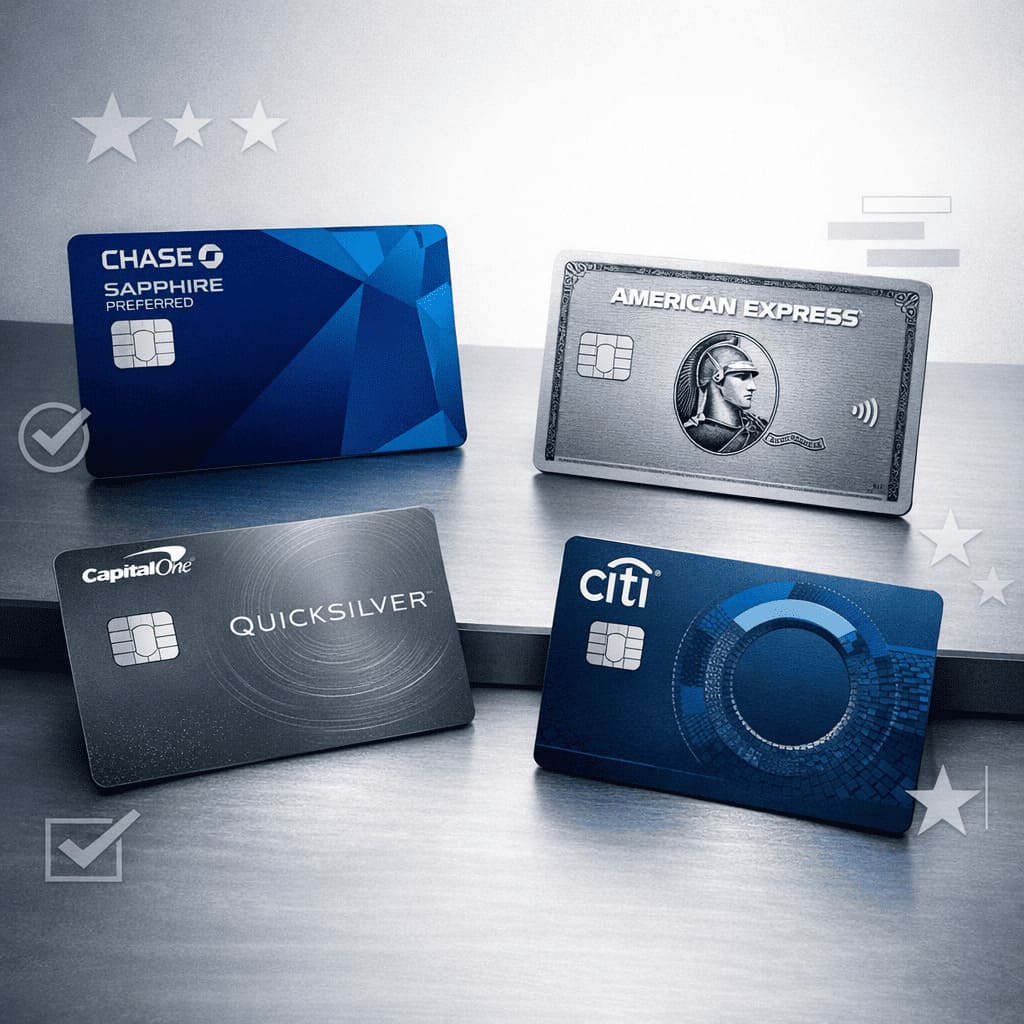
Sign-up bonuses represent the highest-value opportunity when getting new credit cards. A single bonus often equals thousands of dollars in travel or hundreds in cashback.
Advertisement
Chase, American Express, and Citi regularly offer substantial welcome bonuses requiring minimum spending within three months. Strategic timing and planning turn these offers into significant financial windfalls without manufactured spending or risky behaviors.
Understanding Signup Bonus Value
A typical 60,000 point bonus from Chase Sapphire Preferred equals $750 when redeemed through their travel portal. Transfer those same points to airline partners and values often exceed $1,200 for business class flights.
Cashback bonuses deliver straightforward value without redemption complexity. A $200 statement credit means exactly that, making calculations simple for anyone preferring direct cash over travel rewards.
Chase Sapphire Preferred Current Offer
The Chase Sapphire Preferred frequently offers 60,000 to 75,000 points after spending $4,000 within three months. This spending requirement suits most households when planning around larger purchases or regular expenses.
The bonus value exceeds the $95 annual fee by substantial margins regardless of redemption method. Even basic statement credit redemptions deliver $600 to $750 in value from a single signup.
Amex Gold Card Welcome Bonus
American Express Gold often provides 60,000 to 90,000 Membership Rewards points after meeting spending thresholds. The Amex Gold bonus requires $4,000 spending within six months, a longer timeline than most competitors.
Transfer partners include Delta, Air France, and Virgin Atlantic for premium cabin redemptions. The extended earning period makes meeting requirements easier without forcing unnecessary purchases.
Citi Premier Bonus Strategy
The Citi Premier card offers 60,000 to 80,000 Thank You points after qualifying spending. Citi’s unique transfer partners include Turkish Airlines, opening award availability unavailable through Chase or Amex.
The three-month spending window typically requires $4,000 in purchases. Plan large expenses like insurance payments, property taxes, or necessary home repairs around application timing.
Meeting Spending Requirements
Calculate your normal three-month spending before applying to ensure you’ll meet thresholds naturally. Never manufacture spending through questionable methods that could trigger fraud alerts or account closures.
Prepaying bills like car insurance or utilities counts toward requirements legitimately. Time applications around known large expenses like annual subscriptions, travel bookings, or planned purchases.
Credit Score Requirements
Chase and Amex typically require excellent credit scores above 700 for premium card bonuses. Citi shows slightly more flexibility, occasionally approving applicants with good credit around 670.
Your FICO score represents just one factor in approval decisions. Recent credit applications, existing debt obligations, and income verification all influence whether issuers approve applications.
Building Credit Limits Strategically
Issuers evaluate income, existing credit relationships, and payment history when setting initial limits. Higher starting limits provide more spending capacity for meeting bonus requirements without maxing out cards.
Report all eligible income including salary, bonuses, investment returns, and spousal income if applicable. Higher reported income correlates directly with higher credit limits across all issuers.
Credit Utilization During Bonuses
Meeting spending requirements naturally pushes utilization ratios higher temporarily. Make multiple payments throughout the billing cycle to keep reported balances below thirty percent.
Your statement balance determines what credit bureaus see, not actual spending totals. Strategic payment timing protects credit scores even when spending approaches limits for bonus purposes.
Payment Strategies for Bonuses
Set up automatic minimum payments to ensure you never miss due dates while pursuing bonuses. Payment history accounts for thirty-five percent of FICO score calculations.
Pay balances in full monthly to avoid interest charges that erode bonus value. Interest at 20 to 30 percent APR quickly eliminates any rewards earned through spending.
Multiple Card Application Strategy
Space applications at least three months apart to minimize credit score damage from hard inquiries. Multiple applications within short periods signal financial stress rather than strategic optimization.
Chase enforces their five-twenty-four rule blocking applicants with five or more new cards within twenty-four months. Apply for Chase cards first before pursuing Amex or Citi offers.
Bonus Posting Timelines
Most bonuses post within one to two billing cycles after meeting spending requirements. Chase and Amex typically deliver points faster than Citi in customer experiences.
Track your spending progress through mobile apps to ensure you meet thresholds before deadlines. Missing requirements by small amounts wastes the application and hard inquiry.
Combining Bonuses With Benefits
Premium cards offering bonuses also include valuable ongoing benefits. Sapphire Preferred earns two points per dollar on travel and dining beyond the signup bonus.
Amex Gold delivers four points per dollar at restaurants and supermarkets continuously. These earning rates mean benefits extend far beyond initial bonuses over cardholder lifetimes.
Annual Fee Timing Considerations
Annual fees typically charge when you open accounts or at anniversary dates. First-year fee waivers occasionally appear on select cards, improving total value calculations.
Calculate whether ongoing benefits justify annual fees after consuming signup bonuses. Many cardholders downgrade to no-fee versions after year one if spending patterns don’t justify premiums.
Pre-Approval Checking
Use issuer pre-qualification tools before formally applying to gauge approval likelihood without hard inquiries. Pre-approved offers sometimes include enhanced bonuses unavailable through public applications.
Chase, Amex, and Citi all provide online pre-qualification tools. Check monthly for targeted offers that might exceed standard public signup bonuses.
What Reduces Approval Odds
Recent late payments destroy approval chances regardless of current credit scores. Even one missed payment within twelve months often triggers automatic denials from premium card applications.
High existing debt obligations relative to income concern underwriters reviewing applications. Pay down balances before applying to improve debt-to-income ratios and approval likelihood.
Referral Bonus Opportunities
Existing cardholders can generate referral links earning bonus points when friends apply successfully. Referral bonuses often match or exceed public offers while providing existing members additional rewards.
Ask friends or family with target cards for referral links before applying directly. Both parties benefit without reducing your signup bonus in most cases.
Limited-Time Offer Urgency
Issuers frequently advertise “limited time” bonuses creating artificial urgency around applications. While some offers genuinely expire, many return cyclically throughout the year.
Don’t rush applications during inappropriate financial situations just for bonuses. Better offers often reappear within months for patient applicants with improved credit profiles.
Tax Implications of Bonuses
Credit card signup bonuses generally aren’t taxable income under current IRS guidance. The IRS considers them rebates on spending rather than income.
Bonuses exceeding $600 might trigger 1099 forms if earned without spending requirements. Consult tax professionals about specific situations involving business cards or unusual bonus structures.
Authorized User Strategies
Some cards allow authorized users to contribute toward spending requirements. Adding trusted family members accelerates bonus achievement when your solo spending won’t meet thresholds.
Monitor authorized user activity carefully to prevent overspending beyond comfortable repayment capacity. Their purchases count toward your balance and credit utilization calculations.
Downgrade Options After Bonuses
Most issuers allow downgrading premium cards to no-fee versions after collecting signup bonuses. This strategy preserves credit history while eliminating annual fees when benefits don’t justify costs.
Wait at least twelve months before downgrading to maintain positive issuer relationships. Immediate downgrades after bonuses can trigger clawbacks or blacklisting from future offers.
Bonus Clawback Policies
Issuers reclaim bonuses if you close accounts within twelve months or violate terms. Read complete terms and conditions at official card websites before applying.
Manufacturing spending through gift card churning or similar schemes violates terms. Stick to legitimate purchases to protect bonuses and maintain account standing.
International Spending Considerations
Foreign transaction fees reduce effective bonus value when spending abroad counts toward requirements. Chase Sapphire and Amex Gold waive foreign fees, making international purchases viable.
Citi charges three percent foreign fees on most cards. Avoid using Citi cards for international purchases when meeting spending requirements if possible.
Maximizing Long-Term Value
View signup bonuses as launching points for long-term card relationships rather than one-time gains. The right cards deliver ongoing value through earning rates and benefits beyond bonuses.
Build strategies combining multiple cards across issuers to maximize total rewards. Pair Chase for dining, Amex for groceries, and Citi for unique transfer opportunities.
Making Your Application Decision
Choose Chase Sapphire Preferred if you dine out frequently and want flexible travel redemptions. The bonus combines with strong ongoing earning rates for comprehensive value.
Select Amex Gold if grocery and restaurant spending dominates your budget. Pick Citi Premier if you value unique airline partners unavailable through competitors.